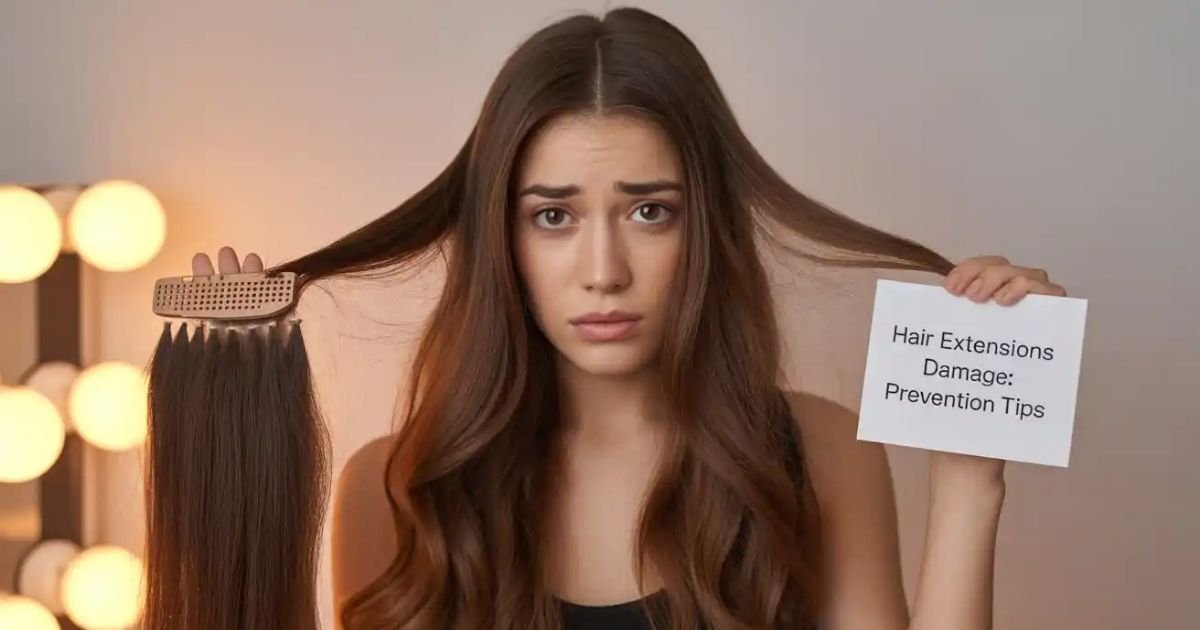
Are you curious as to whether hair extensions harm or even ruin hair? Many people love how extensions add instant length and volume, but they also worry about the health of their natural hair. The truth is, hair extensions don’t have to cause harm if chosen and cared for properly.
Factors like hair extension maintenance, the types of hair extensions used, and how they are applied play a huge role in preventing damage. Without proper care, issues like hair extension shedding and hair breakage from extensions can happen, leading to frustration. Understanding the risks and following safe practices can keep your hair healthy while enjoying beautiful extensions.
Types of Hair Extensions and Effects
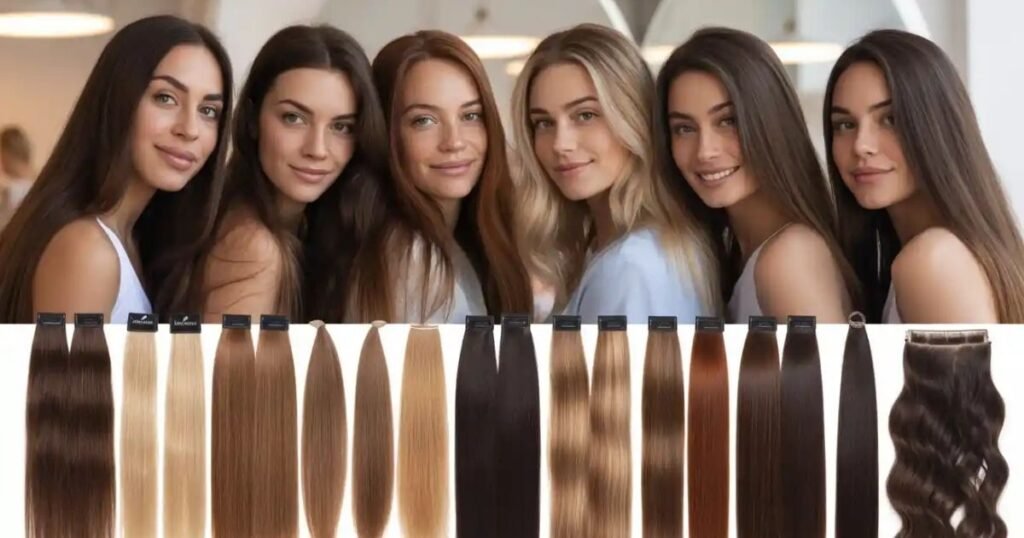
There are several types of hair extensions, each affecting hair differently. Popular options include clip-in hair extensions, tape-in extensions, keratin bond extensions, fusion hair extensions, sew-in weave extensions, and halo hair extensions. Each type uses different methods to attach hair and comes with unique risks and benefits.
Clip-in hair extensions are great for occasional wear and cause minimal damage since they don’t pull on hair continuously. On the other hand, fusion hair extensions and keratin bond extensions involve heat and glue, which may stress hair follicles more. Sew-in weave extensions can be heavy and cause strain if not done carefully. Knowing the impact of each type is crucial for natural hair damage prevention.
| Extension Type | Attachment Method | Potential Damage Risk | Ideal For |
| Clip-in Extensions | Clips | Low, occasional wear only | Temporary volume/length |
| Tape-in Extensions | Adhesive tape | Moderate, if not removed properly | Semi-permanent style |
| Keratin Bond Extensions | Heat and glue | High, due to heat and tension | Long-term, careful care |
| Fusion Extensions | Heat and keratin bonds | High, possible hair breakage | Long-term, professional use |
| Sew-in Weave | Braiding and sewing | Moderate, can cause scalp pain | Thick hair, protective styles |
| Halo Extensions | Headband-like | Very low, no attachment stress | Easy, non-damaging option |
Choosing the Right Extensions for Your Hair
Selecting the right extensions depends on your hair type, lifestyle, and the health of your natural hair. Fine or weak hair needs lighter extensions, like clip-in hair extensions or halo hair extensions, to avoid extra strain. Thick hair can usually handle heavier options such as sew-in weave extensions.
It’s crucial to get a hair extension consultation with a skilled specialist. They assess your hair follicle strength for extensions and recommend the safest option. Remember, weak hair and extensions often don’t mix well, increasing the risk of hair extension damage caused by breakage or traction alopecia from extensions.
Common Causes of Extension Damage
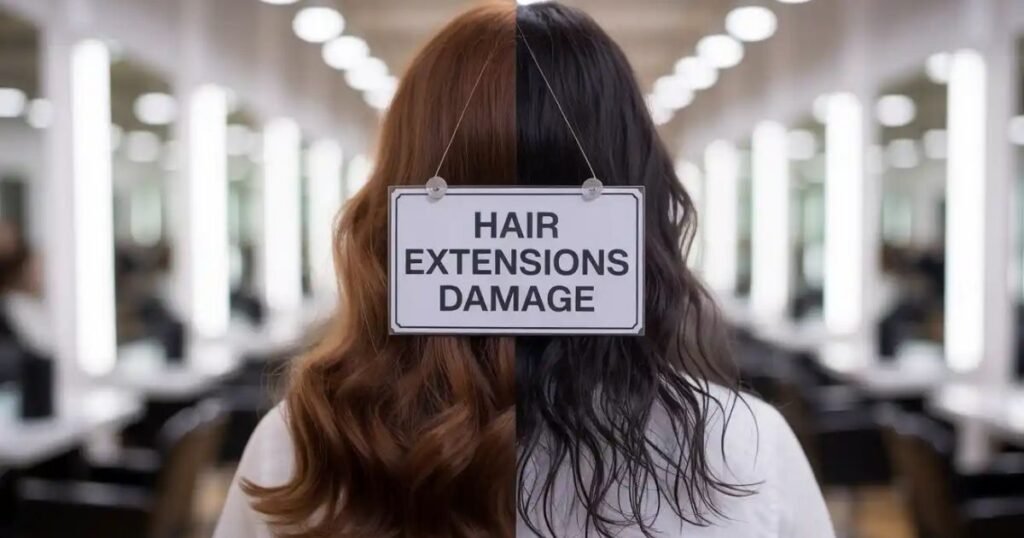
Many people think extensions damage hair automatically, but the truth lies in how they are applied and cared for. Hair extension tension caused by heavy or poorly fitted extensions can pull on the scalp, leading to pain and hair follicle strain. Using heat improperly on keratin bond extensions also damages strands.
Skipping proper hair care with extensions, such as gentle washing and brushing, causes hair extension breakage. Sometimes, people miss maintenance appointments, letting bonds grow out, which drags on hair and increases damage risk. Awareness of these causes helps avoid unnecessary harm.
Signs Your Extensions Are Damaging Hair
It’s important to spot early signs of damage to prevent severe problems. Common indicators include persistent scalp pain from extensions, increased hair extension shedding, and noticeable thinning around the roots. Breakage along the length of hair or visible gaps also suggest damage.
If you experience these symptoms, it’s wise to seek professional advice. Ignoring early warning signs could lead to serious issues like traction alopecia and extensions, where hair follicles weaken or die, causing permanent hair loss.
How to Care for Hair Extensions Safely
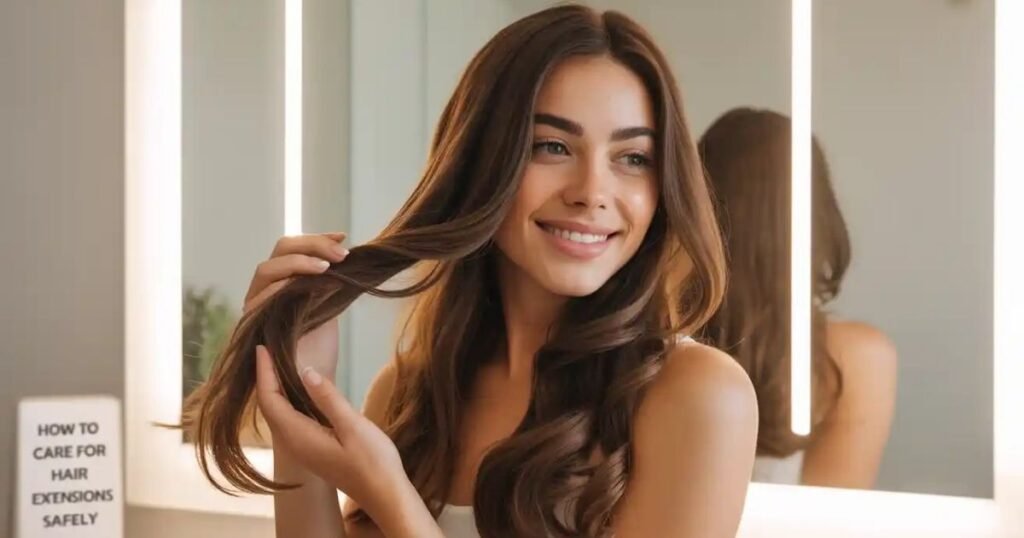
Proper care extends the life of your extensions and protects your natural hair. Always use sulfate-free shampoo for extensions and a leave-in conditioner for hair to keep strands hydrated and prevent tangling. Gentle detangling techniques for extensions are crucial, especially for fusion extensions care and micro-link extensions.
Avoid excessive heat, harsh chemicals, and rough handling. Sleeping on a silk pillowcase for hair extensions reduces friction and damage. Daily care routines tailored to your extension type support hair extension safe usage and help prevent common problems.
Maintenance Tips for Healthy Extensions
Maintaining your extensions on a regular basis keeps them looking nice and healthy. It is essential to schedule maintenance appointments every six to eight weeks. During these visits, extensions should be adjusted or replaced before they drag on your hair.
Daily habits like carefully separating bonds on micro-link extensions prevent matting and damage.Taking occasional extension-free breaks allows your scalp and natural hair to recover, maintaining the balance between hair health and extensions.
Repairing Hair Damage from Extensions
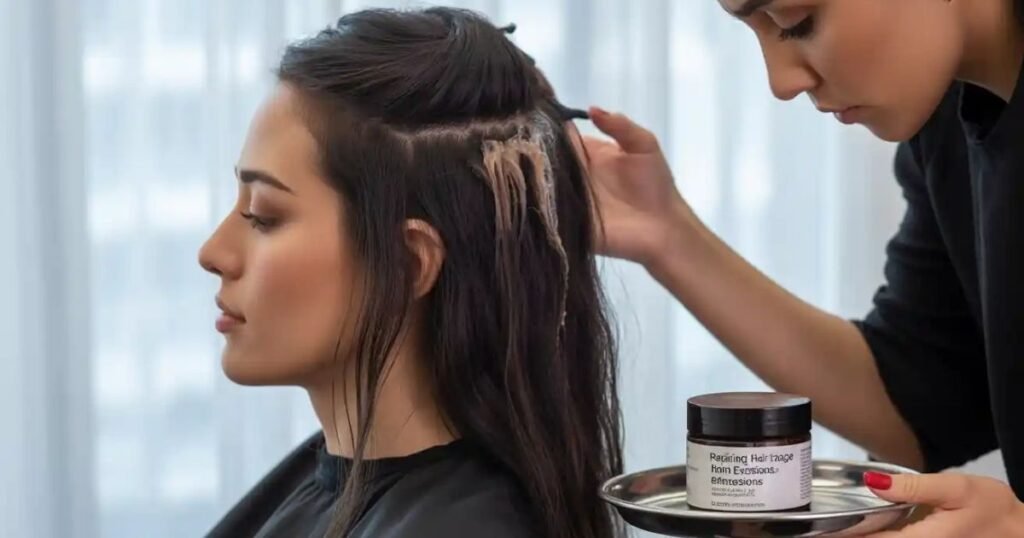
If your hair suffers from damage, there are ways to repair and strengthen it. Using a deep conditioning mask and a leave-in miracle treatment helps restore moisture and reduce breakage. Professional treatments focusing on rebuilding bonds can reverse some damage caused by poor extension care.
Avoid rushing back to extensions after damage. Proper repairing damaged hair routines are key to restoring natural hair health and preventing future problems.
Who Should Avoid Hair Extensions?
Extensions are not suitable for everyone. People with very weak hair, scalp conditions, or active postpartum hair loss and extensions should avoid them. Extensions may exacerbate thinning and result in additional symptoms of hair loss.
If you experience scalp irritation or pain, or have a history of traction alopecia from extensions, consulting a hair extension specialist before deciding is critical. Choosing healthier options or waiting until hair strengthens is often better.
Hair Growth After Extension Damage
Hair can regrow after extension damage, but the process depends on the severity. Mild damage usually recovers with proper care and time. However, severe damage, especially involving follicles, may cause long-term thinning.
Maintaining a gentle hair care regimen and avoiding stress on follicles encourages hair growth. Patience and expert guidance are essential in restoring your hair’s natural strength after experiencing hair extension damage.
Conclusion
If you choose and maintain your hair extensions wisely, they can improve your appearance without harming you. Knowing the types of hair extensions and their effects helps you pick the best option for your hair. Regular hair extension maintenance, gentle hair care with extensions, and professional guidance prevent many common problems.
Taking time to understand hair extension damage causes and following prevention tips means you can enjoy your new look without compromising your natural hair health. Remember, healthy hair and extensions go hand in hand.
FAQs
Do hair extensions damage hair permanently?
Most damage is avoidable with correct application and care. Permanent damage is rare but possible with long-term misuse.
How often should I get maintenance for hair extensions?
Every six to eight weeks is ideal to prevent damage and keep extensions looking fresh.
Can hair grow back after extension damage?
Yes, with proper care, hair usually regrows unless follicles are severely damaged.
What’s the best shampoo for hair extensions?
Sulfate-free shampoo is best to protect both extensions and natural hair.
Are clip-in extensions safe for daily use?
Clip-ins are safer for occasional wear. Daily use may increase damage risk if not cared for properly.

Welcome to my grooming corner! I’m Ahsan Ijaz, a passionate hairstylist and grooming specialist dedicated to helping you look and feel your best. With years of hands-on experience in modern haircuts, beard styling, and personal care, I bring a fresh and confident approach to men’s grooming.