
A fresh haircut can completely transform your look, giving instant style and confidence. Knowing how often men should get a haircut helps maintain sharpness while avoiding overgrown or messy hair. Factors like hair growth rate, hairstyle, lifestyle, and hair type and maintenance frequency determine the ideal schedule.
Regular trims prevent split ends and ensure a lived-in hair look that balances groomed and natural styles. Short haircuts like buzz cuts or high and tight need more frequent barber visits, while longer styles last longer. Following a hair trimming schedule ensures your hair stays healthy, manageable, and visually appealing.
Haircuts and Hair Health
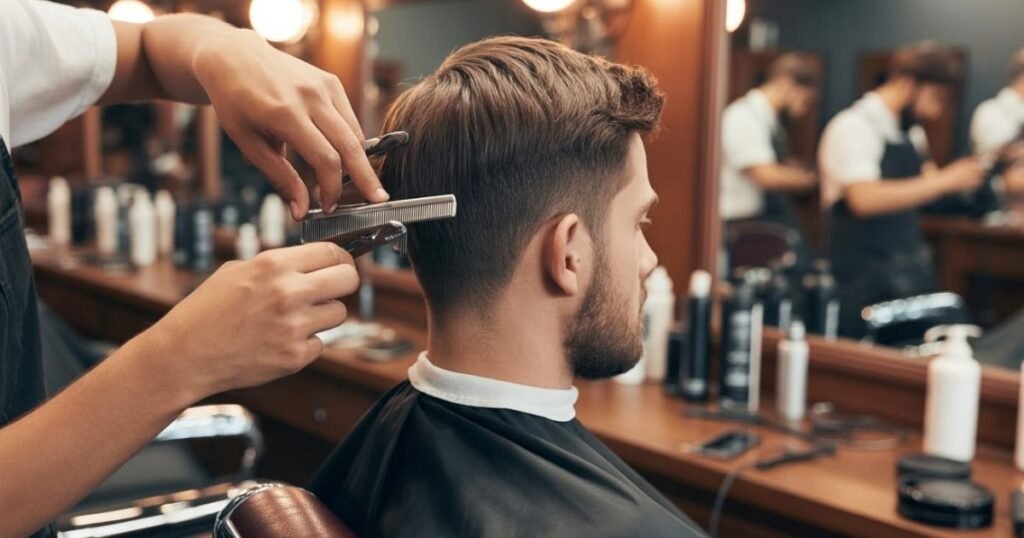
Regular haircuts play a key role in keeping hair healthy, even though trimming does not affect hair growth rate since hair grows from the roots. Trims prevent split end breakage, which can travel up the hair shaft and make hair thin and frizzy. Maintaining a proper haircare routine for men using natural shampoos and conditioners and occasional leave-in moisturizer ensures softness, shine, and strength.
Styles like Caesar cut, pompadour, or undercut remain polished and full. Combining hair styling tips with regular trims maximizes haircut longevity. Healthy ends improve volume, prevent damage, and create a sharp haircut confidence, making every barber visit more worthwhile.
Haircut Frequency by Hair Type
Hair texture types greatly influence hair trimming frequency. Straight hair often needs trims every 3–4 weeks to maintain a fade haircut or side part haircut, while wavy hair can stretch 4–5 weeks without appearing untidy. Curly or coily hair benefits from regular trimming to prevent tangles and maintain shape, reducing split end breakage.
Fine or thin hair requires more frequent barber visits to avoid flatness, while thick hair can tolerate longer gaps. Styles such as high and tight, buzz cut, or undercut demand stricter maintenance. Following a tailored hair trimming schedule ensures proper hair recovery time, polished lines, and a healthy, full appearance.
Hair Length and Cutting Schedule
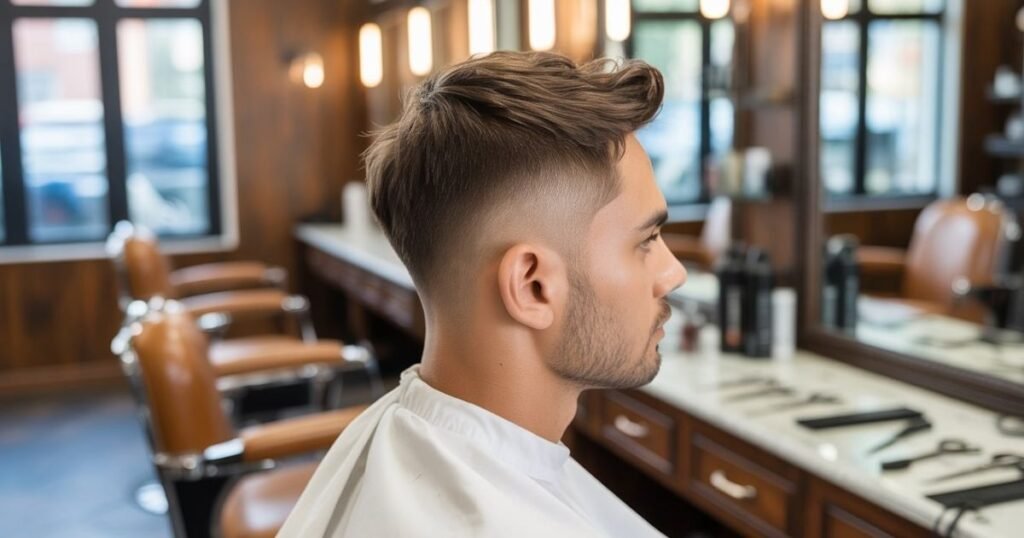
Hair length directly affects haircut duration and cost and determines how often you need trims. Short styles like buzz cuts and high and tight require a touch-up every couple of weeks, while medium-length hair such as pompadour or side part haircut lasts 4–5 weeks.
Long hairstyles demand more patience, requiring trims every 8–12 weeks to maintain long hair care and prevent split ends. Following a hair length guide helps plan barber visit frequency and saves money. A simple haircut schedule table can clarify intervals, allowing men to maintain neatness, style, and hair health effectively without overdoing frequent visits.
| Hair Length | Style Examples | Recommended Trim |
| Short | Buzz Cut, High and Tight, Caesar Cut | Every 1–3 weeks |
| Medium | Pompadour, Side Part, Undercut | Every 4–5 weeks |
| Long | Shoulder-length, Layered | Every 8–12 weeks |
Lifestyle and Style Impact
Lifestyle choices and daily routines influence how often men should visit a barber. Physical activity, exposure to sun or sweat, and frequent washing affect haircut longevity and may shorten intervals between trims. High-maintenance styles like fade haircut or undercut require stricter attention, while casual styles allow longer gaps. Professional environments often demand sharp haircut confidence, emphasizing the need for a consistent hair trimming schedule.
Incorporating a haircare routine for men with proper shampoo, conditioner, and hair styling products for men ensures hair stays soft, shiny, and healthy. Understanding factors affecting haircut frequency allows men to balance style, convenience, and hair recovery time effectively.
Seasonal Haircare Factors
Weather significantly affects haircare routine and haircut duration. Summer heat, humidity, and sun exposure can dry hair and require more frequent trims, while winter dryness can accelerate split ends. Adjusting hair styling tips seasonally and using natural shampoos and conditioners helps maintain moisture and shine.
Adding leave-in moisturizer protects longer hair styles like pompadour or layered cuts during harsh climates. Scheduling barber visits around seasonal changes prevents overgrowth and maintains razor-sharp fade or crew cut style lines. Seasonal attention ensures styles stay polished while promoting hair damage prevention and optimal health year-round, even with different hair texture types.
Haircut Types and Longevity
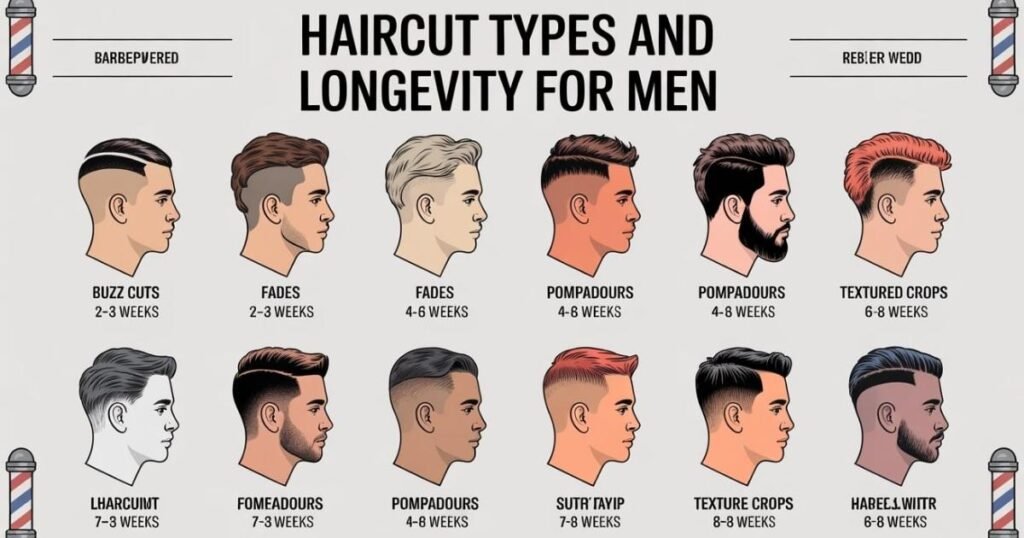
Different haircut types last varying amounts of time, impacting barber visit frequency. A skin fade or 0.5 fade requires attention every 2–3 weeks to maintain crisp lines, while a 1 fade can last 3–5 weeks. Buzz cuts need regular touch-ups, whereas Caesar cut or side part haircut can extend intervals slightly.
Understanding haircut longevity allows men to balance style with convenience. Regular trims help maintain sharp haircut confidence and avoid overgrowth management issues. Following a proper hair trimming schedule ensures short, medium, long hair maintenance remains manageable and professional, while hair styling products for men enhance every style.
Hair Care Between Visits
Maintaining hair between trims is essential for keeping hair healthy and preserving style. Gentle shampooing, use of natural shampoos and conditioners, and leave-in moisturizer keep hair soft, shiny, and manageable. Avoid harsh products to protect natural hair oils and prevent hair damage prevention.
Short hair requires minimal styling, while longer hair benefits from hair styling tips and consistent haircare routine for men. Regular maintenance prevents split end breakage, promotes maximum hair growth tips, and ensures haircut longevity. Using hair styling products for men keeps styles like pompadour, undercut, or side part haircut polished between barber visits.
Cost and Time Tips

Haircut costs vary widely depending on location and salon type. In major cities, a standard barber cut ranges from $40–$70, while intricate styles cost $100–$200+. Suburban and small-town rates are lower, and barber loyalty rates often provide savings for regular visits. Planning barber visit frequency based on budget helps avoid overspending while maintaining style.
Men can request partial trims or side touch-ups to save time and cost. Understanding haircut duration and cost along with proper haircare routine ensures frequent trims remain affordable while keeping a razor-sharp fade, buzz cut, or pompadour consistently clean and healthy.
Common Haircut Mistakes
Common mistakes include trimming too often, neglecting hair type and maintenance frequency, or attempting DIY cuts. Over-trimming wastes money, while under-trimming leads to messy overgrowth management. DIY haircuts risk uneven lines and require correction during barber visits. Neglecting haircare products for men, split ends prevention, and proper hair styling tips can damage hair and shorten haircut longevity.
Following a hair trimming schedule prevents these issues. Properly maintaining short hair maintenance, medium-length hair maintenance, and long hair care ensures hair remains healthy, full, and stylish, promoting sharp haircut confidence every day.
Conclusion
Knowing how often men should get a haircut is essential for style, confidence, and keeping hair healthy. Hair type, length, lifestyle, and budget determine barber visit frequency. Regular trims prevent split end breakage, extend haircut longevity, and maintain polished styles.
Combining proper haircare routine for men, hair styling products for men, seasonal adjustments, and strategic scheduling ensures hair stays soft, strong, and manageable. Following these tips guarantees that hair looks professional, stylish, and effortless while saving time and money, ensuring every barber visit enhances appearance and razor-sharp fade or classic style remains intact.
FAQs
How often should a man get a haircut?
Men should trim hair every 2–6 weeks based on style, length, and hair growth rate.
Do regular trims make hair grow faster?
No, hair grows from roots, but trimming prevents split end breakage and keeps hair healthy.
Can I cut my own hair at home?
DIY cuts are risky. Improper trimming often requires barber visits to fix uneven lines.
How much does a typical haircut cost in the USA?
Standard cuts cost $40–$70 in cities, $15–$50 in small towns; specialty styles are $100–$200+.
What products maintain hair between barber visits?
Use natural shampoos and conditioners, leave-in moisturizer, and hair styling products for men for shine and manageability.

Welcome to my grooming corner! I’m Ahsan Ijaz, a passionate hairstylist and grooming specialist dedicated to helping you look and feel your best. With years of hands-on experience in modern haircuts, beard styling, and personal care, I bring a fresh and confident approach to men’s grooming.